Reprography Division
The Reprography Division of the Prime Ministers Museum & Library (PMML) has been preserving the nation's documentary heritage since the launch of its microfilming programme in 1968. The Division undertakes the microfilming and digitization of newspapers, periodicals, private papers, institutional records, theses, and other archival collections to ensure their long-term preservation and accessibility for researchers. Its collections include newspapers published in English, Hindi, Urdu, Malayalam, Kannada, Marathi, Punjabi, Gujarati, Tamil, Telugu, Bengali and Assamese, representing diverse regions of India. The selection of materials is guided by the Library's research priorities and the needs of scholars, particularly in the fields of South Asian Studies and Modern Indian History.
The Division has preserved numerous historically significant newspaper titles, including Amrita Bazar Patrika, Hindustan Times, The Tribune, Bombay Chronicle, The Leader, The Telegraph, Aaj, The Times of India, Daily Excelsior, and The Hindu, along with important institutional publications such as the Aligarh Institute Gazette and AICC Papers. At present, it maintains approximately 23,000 microfilm rolls, including 5,000 duplicate rolls, and nearly 58,000 microfiche sheets. The Division has also digitized around 10,000 microfilm rolls, creating nearly 7.5 million (75 lakh) high-quality digital images, thereby significantly enhancing the preservation and accessibility of PMML's archival collections.
Microfilming
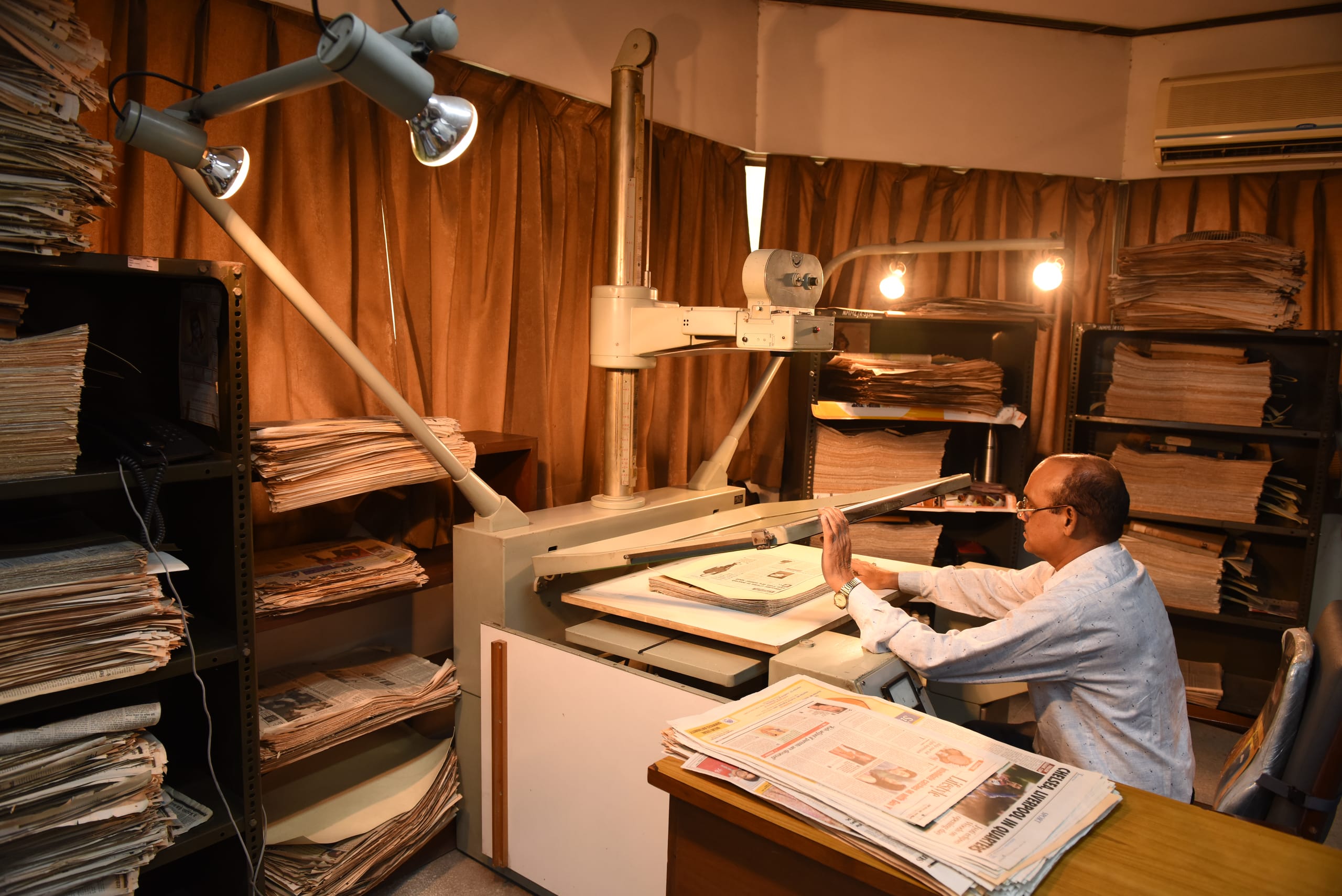
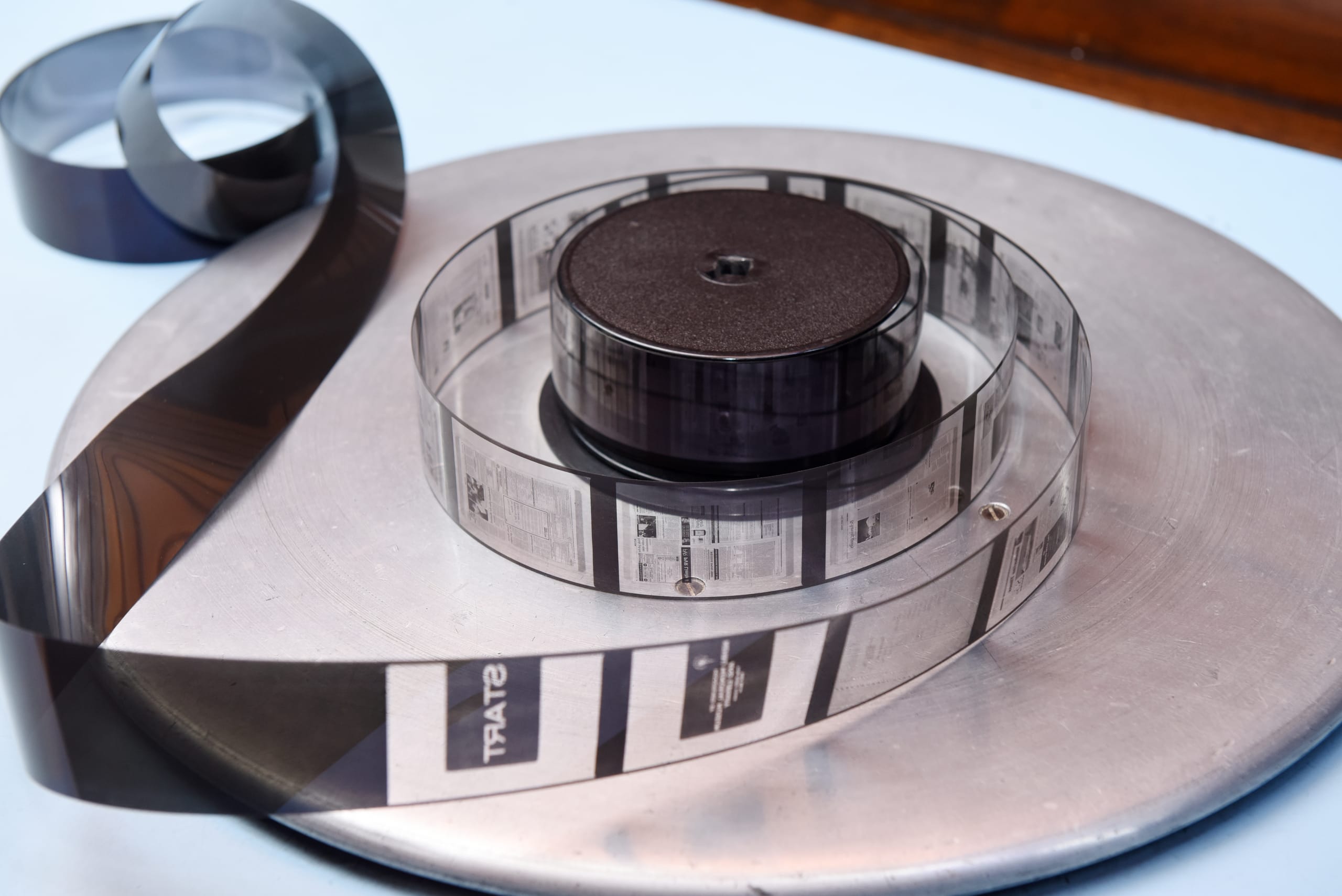
Microfilming is one of the most reliable methods for the long-term preservation of archival records. Microfilm Rolls are stored on reels under controlled temperature and humidity conditions to ensure their longevity. The Reprography Division uses both conventional microfilm cameras and modern Archive Writer technology to create microfilms from digital data, ensuring effective preservation of archival materials.
Microfilm Preservation & Quality Assurance
DUPLICATING
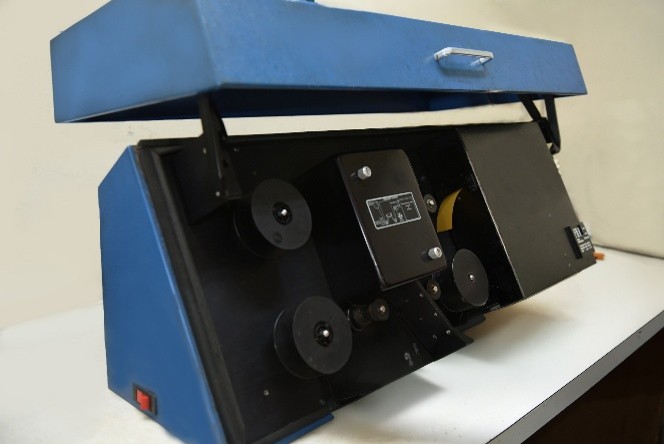
The Reprography Division prepares duplicate copies of master microfilms to provide access copies for the Library, ensuring the preservation of original master microfilms while facilitating scholarly consultation.
QUALITY CHECKING & ACCESSIONING
The Reprography Division carries out quality checking of newly prepared microfilms and accessioning of microfilms to ensure proper documentation, identification, and archival control.
QUALITY CONTROL OF MICROFILMS
The Reprography Division periodically inspects microfilms to monitor their archival condition and ensure long-term usability. Each microfilm is examined for scratches, spots, chemical residues, and other defects. Whenever necessary, microfilms are rewind and rewash to maintain prescribed archival standards.
PRESERVATION OF MICROFILM COLLECTION
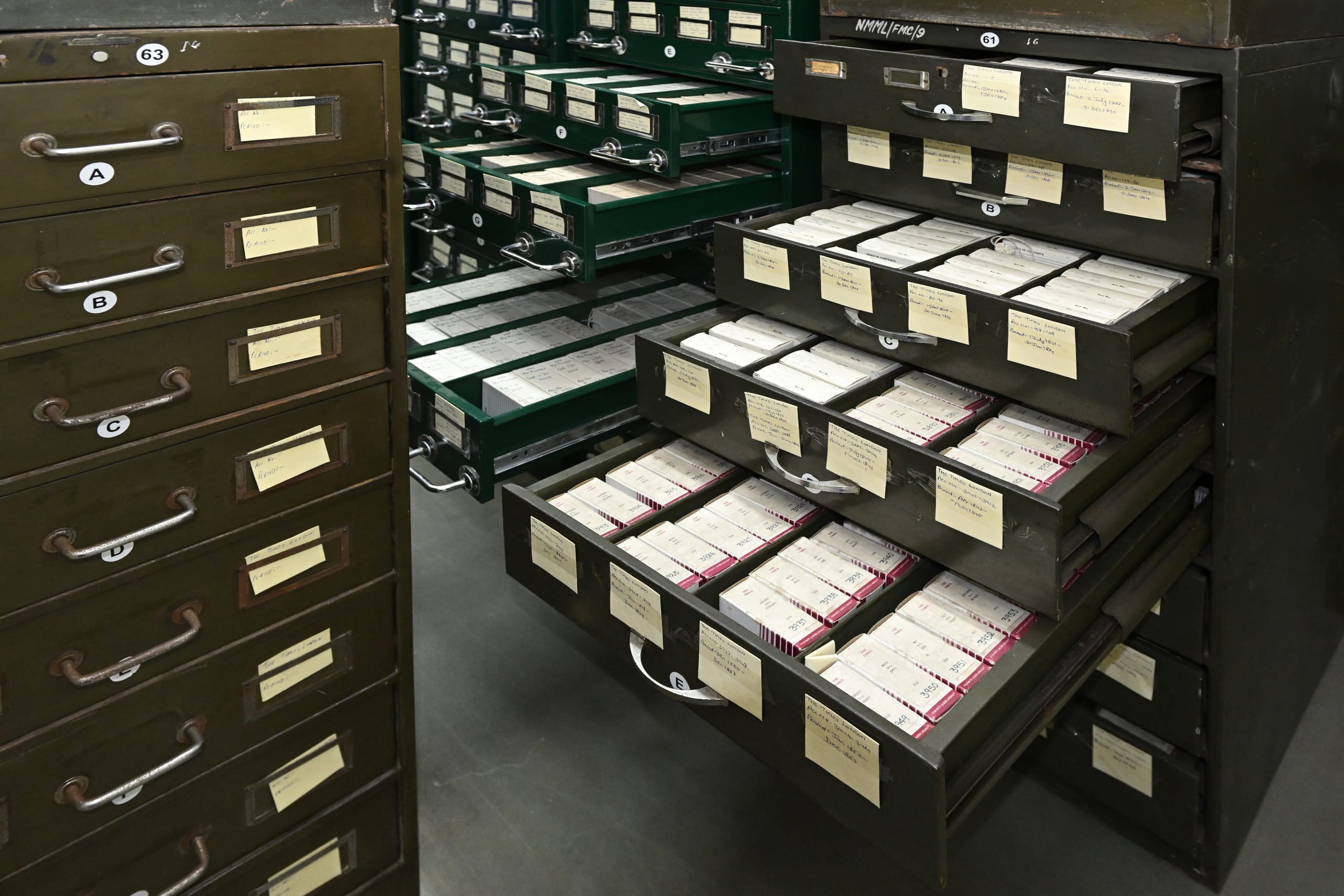
The Reprography Division preserves archival records on microfilms by maintaining controlled storage conditions. Preservation measures include periodic sample inspections, temperature control, and humidity control to ensure the long-term stability of the collection.
Reprography Services
Microfilm Scanning
The Reprography Division provides microfilm scanning services for scholars for research purposes.
Supply of Positive Microfilms
Positive copies of microfilms are supplied to scholars and researchers for academic and research purposes while ensuring the preservation of master microfilms.
Photography of Academic and Official Events
The Reprography Division provides photographic coverage of academic and official events, including talks, lectures, seminars, panel discussions, exhibitions, VIP visits, and other institutional events organized by PMML. It also offers photography services at the Picture Point Sangrahalaya, providing visitors with high-quality photographic souvenirs.
Design and Printing Support
The Division design and printing support for official publications and promotional materials, including posters, brochures, leaflets, banners, invitations, certificates, and other communication materials.
Photocopying Services
The Division provides photocopying services for official work at the Reprography Section and for scholars at the Library, facilitating easy access to reference and research materials in accordance with institutional guidelines.
Preservation Unit
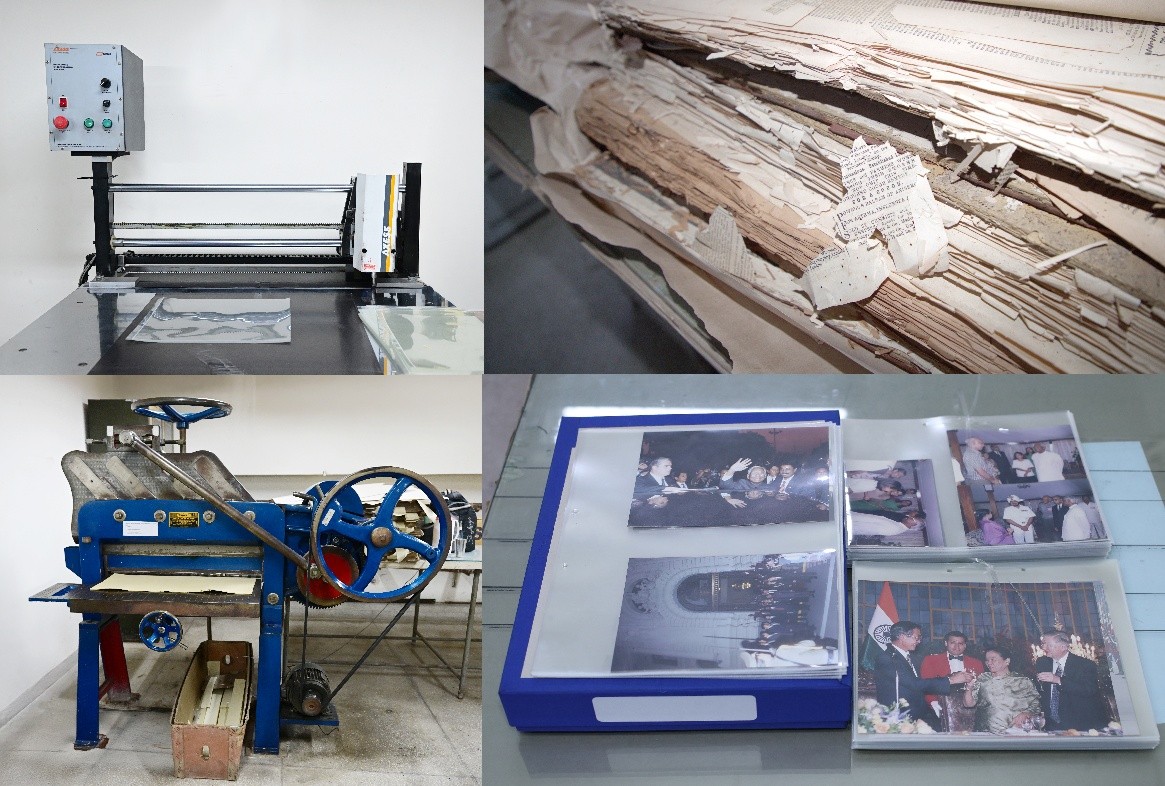
Established in 1970 to meet the growing conservation needs of the expanding collections, the Preservation Unit is responsible for the systematic conservation and preventive care of library and archival materials, ensuring their long-term physical stability and accessibility for research and reference. The Unit employs scientific conservation methods and archival-quality materials in accordance with established preservation standards. Its activities include minor and tissue repairs, binding and repair of books using Rexene, leather, and cloth, lamination, guarding, flattening, stitching, and reinforcement of damaged documents. Paper conservation follows a structured process involving pagination, deacidification, fumigation, repair, adhesive application, and strengthening of fragile papers to enhance their durability and longevity. The Unit also undertakes the conservation of photographic materials by transferring photographs from acidic albums and preserving them through polyester encapsulation, providing long-term protection against physical, environmental, and biological damage. To date, the Unit has successfully conserved and encapsulated 2,439 photo albums containing approximately 165,044 photographs, ensuring their long-term preservation and accessibility. These comprehensive preservation measures safeguard PMML's invaluable library and archival collections for future generations.